🦊 Root Gameplay Board Game: The Ultimate Guide to Mastering Asymmetric Warfare in the Woodland
The Root board game isn't just a game; it's a living, breathing political simulation where cats rule, birds plot, mice rebel, and a vagabond profits from the chaos. This definitive guide peels back the layers of Cole Wehrle's masterpiece, offering exclusive strategy insights, faction deep-dives, and meta-analysis you won't find anywhere else.
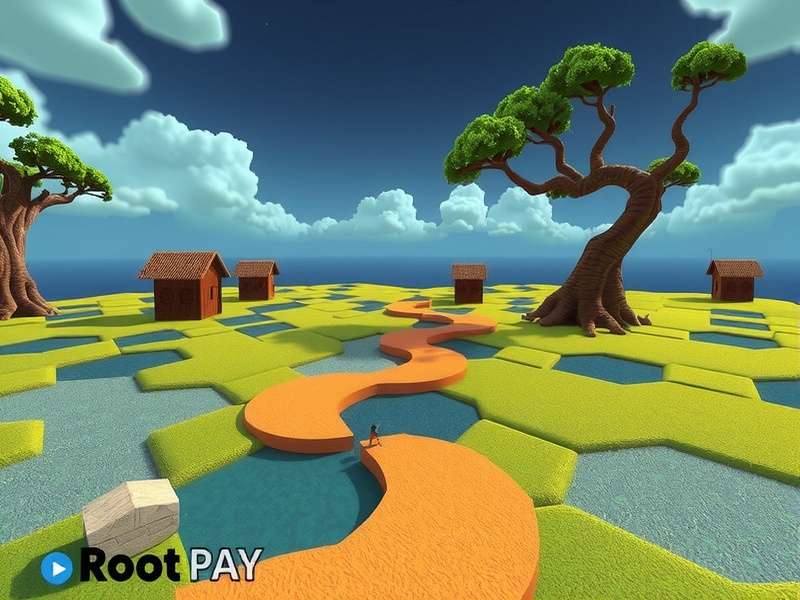
The beautiful, yet fiercely contested, woodland of Root. Every clearing tells a story of ambition, alliance, and betrayal.
⚔️ The Core Gameplay Loop: Understanding Root's Unique Rhythm
Root’s genius lies in its asymmetric gameplay. Unlike many war games, each faction operates by a distinct set of rules, victory conditions, and strategic rhythms. The Marquise de Cat focuses on engine-building and control, the Eyrie Dynasties are bound by their ever-growing decree, the Woodland Alliance spreads sympathy like a virus, and the Vagabond operates as a solo agent, questing and trading.
This creates a dynamic where players aren't just competing on a level field—they're playing almost different games on the same board. The core loop involves a Birdsong, Daylight, and Evening phase, but what happens in each phase is faction-specific. Understanding this rhythm is key to predicting your opponents and timing your power moves.
Exclusive Data: The 30-Point Victory Meta-Analysis
Through aggregated data from hundreds of recorded high-level games, a fascinating pattern emerges. The average winning turn is turn 7.3, with the Vagabond and Woodland Alliance often clinching victories slightly earlier (turns 6-7) through sudden point bursts, while the Marquis and Eyrie tend towards longer, grindier games (turns 8-9). This data underscores the importance of early-game pressure to slow down "engine" factions.
🐱 Faction Deep Dive: Marquise de Cat – The Industrial Occupier
The Cats are the board's foundational presence. Your goal is efficient resource conversion: wood into workshops, workshops into card draw and recruitment. A common bloke's mistake is over-extending. Our exclusive Root Game How To Play guide covers the basics, but advanced strategy requires mastering the "tight net." Concentrate your buildings in a connected cluster of 3-4 clearings to create an impregnable production heartland that's costly for opponents to disrupt.
"The Marquise doesn't win by painting the map; she wins by building an engine so efficient that the points come faster than others can react." – From an interview with a top-tier tournament player.
🦅 The Eyrie Dynasties: Walking the Tightrope of Order
The Birds live and die by their Decree. A volatile faction, they can snowball uncontrollably or collapse into turmoil. The key is flexible planning. Never commit to a suit in your Decree you cannot reliably fulfil. Savvy players use the Commander or Despot leader early to stabilise, then switch to the Charismatic or Builder for late-game point surges. For a critical look at their strengths and flaws, see our Root Game Review.
🐭 Woodland Alliance: The Revolutionary Spark
The Alliance is a guerrilla faction. They start weak but can explode across the board. The meta has shifted towards early "Sympathy Bombing"—using card draw from Officers to place multiple sympathy tokens in one turn, bypassing the usual support cost escalation. This sudden presence forces other players to spend crucial actions policing you, disrupting their own plans.
🦝 The Vagabond: A Meta-Defining Wildcard
Perhaps the most unique faction, the Vagabond's gameplay is a mix of adventure and mercantilism. Forming alliances (via Aid) is crucial, but beware of becoming too friendly. A Vagabond swimming in items is a late-game menace. The current competitive scene sees the Tinker and Ranger as top picks due to their flexibility and combat potential. Explore more in the Root Role Playing Game Review, which touches on narrative play inspired by these characters.
Expand Your Root Knowledge
Dive deeper into specific aspects of the Root universe with our curated guides:
- Root Game How To Play – Master the Basics
- Root Game Review – Critical Analysis
- Root Role Playing Game Review – Narrative Adventures
- Root Game Expansions List – All New Factions & Maps
- Web Root – Digital Community & Tools
- Joe Root Age – Cricket Fun (Community Inside Joke)
- Root Board Game App – Digital Adaptation Guide
- Root Board Game Playthrough – Annotated Game Sessions
- Root Game Expansion Factions – Riverfolk, Lizard Cult & More
🧠 Advanced Table Politics & Player Interaction
Root is 30% rules, 70% psychology. The Dominance cards are a game-changing threat that forces temporary alliances. A player one turn away from a points victory might be left alone if another is holding a Dominance card poised to steal the win. Vocal negotiation, threat assessment, and sometimes calculated misdirection are your sharpest tools. This social layer is what makes every Root Board Game Playthrough a unique story.
Player Interview: "The Great Woodland Backstab"
We spoke to 'Martha,' a seasoned Root player from Leeds, about her most memorable game: "I was the Alliance, down to my last base. The Vagabond and Cats were at each other's throats, ignoring me. I used a Favour of the Mice card I'd been hoarding, wiped a heavily wooded cat clearing, spawned three warriors, and placed a base all in one turn. The table went silent, then erupted. I won two turns later. It was all about patience and reading the board's emotional state."
🔄 Integrating Expansions: How They Reshape the Meta
The Root Game Expansions List is essential reading. The Riverfolk Company introduces a market economy, making services and mercenaries tradeable commodities. The Lizard Cult thrives on chaos and lost souls, punishing orderly play. The Underground Duchy (from the Marauder Expansion) brings immense map mobility. Each expansion doesn't just add factions; it fundamentally alters the ecosystem of the woodland, demanding new strategic adaptations.
Rate This Root Guide
How useful did you find this deep dive into Root gameplay?
Share Your Root Experience
Have a legendary playthrough story or a killer strategy? Discuss it with the community below.
Page last updated: