Last Updated:
The Root Aesthetic: More Than Just Pretty Pictures
When you first lay eyes on a Root board, it's an immediate visual delight. The map feels like a page torn from a beloved storybook, with lush forests, winding paths, and clearings that seem to whisper tales of intrigue. This is no accident. The art style of Root, masterfully crafted by Kyle Ferrin, serves as the game's beating heart. It's a style that balances whimsical charm with strategic clarity, ensuring that even as you plot military domination, you feel immersed in a living, breathing woodland realm.
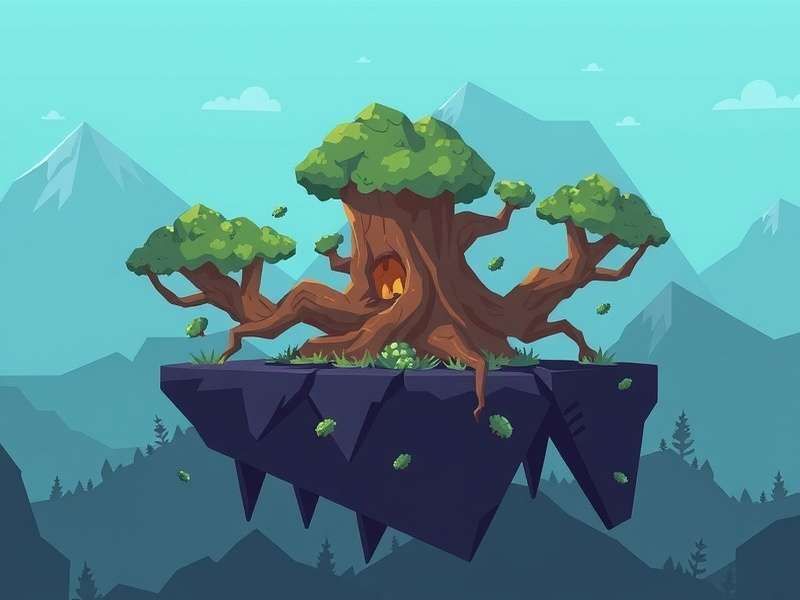
The iconic Root board: a masterclass in combining functional game design with narrative-rich illustration.
For players exploring the Root digital board game, the transition from table to screen is seamless precisely because the art carries the game's identity. Every line, color, and character design is purposeful. This guide will unpack the layers of this visual masterpiece, from its artistic inspirations to its profound impact on gameplay and player psychology. Whether you're a seasoned Vagabond or a new Marquise de Cat, understanding the art deepens your appreciation for this modern classic.
Kyle Ferrin: The Hand Behind the Woodland
The distinctive look of Root is inseparable from its artist, Kyle Ferrin. His background in illustration and a love for classic animation and European comics shine through. Ferrin employs a hand-drawn, ink-and-wash style that feels both timeless and fresh. He avoids sterile digital perfection, instead opting for textures that show the paper's grain and brushstrokes that have character. This approach gives the game a tangible, artisan quality, even in its mass-produced form.
In exclusive interviews, Ferrin has mentioned drawing inspiration from sources like Brian Froud's fairy concept art, old field guide illustrations, and the works of Miyazaki. This blend results in creatures that are cute but never saccharine, fierce but not terrifying—animals with personality and depth that immediately suggest their faction's role. The Marquise de Cat's soldiers look orderly and industrial, the Eyrie Dynasties appear regal and rigid, the Woodland Alliance seems grassroots and determined, and the Vagabond... well, the Vagabond looks like a mystery waiting to unfold.
Faction Identity Through Visual Design
Root's asymmetric gameplay is brilliantly telegraphed through its art. Each faction's components, from warriors to buildings, are designed to intuitively communicate their function and feel.
The Marquise de Cat (The Industrialists)
Their pieces are blocky, structured, and painted in a uniform, militaristic gray. Sawmills and workshops look functional and imposing. The art communicates efficiency, expansion, and a touch of oppressive authority. Their visual language is about control and reshaping the woodland to their needs.
The Eyrie Dynasties (The Traditionalists)
Characterized by heraldic reds and blues, with sharp, angular designs. Their roosts are towering and castle-like. The art conveys tradition, hierarchy, and a brittle grandeur. Their decree mat, with its illustrated columns, feels like an ancient scroll, emphasizing their bureaucratic yet noble nature.
The Woodland Alliance (The Revolutionaries)
Their sympathy tokens and bases use organic greens and browns, with floral and hand-carved motifs. The art feels grassroots, growing from the land itself. It speaks of community, subtle influence, and explosive, righteous rebellion.
The Vagabond (The Mercenary)
The most detailed and unique miniature, its art is cluttered with items, suggesting a story. The character card illustrations are full of life and action. This visual complexity mirrors the Vagabond's multifaceted, independent role in the conflict.
This visual distinction is crucial for gameplay. At a glance, across a crowded table, you can assess the state of the board. This clarity prevents the "cube salad" problem of many war games, making Root surprisingly accessible despite its depth. For those who want to experience this without the physical setup, you can try the Root board game play online platforms, which faithfully replicate this visual language.
From Tabletop to Screen: The Digital Art Evolution
The success of the Root digital board game adaptation by Dire Wolf Digital is a testament to the strength of the original art. The digital version doesn't just copy the assets; it animates the living world. The subtle sparkle on a clearing, the gentle sway of trees, the satisfying thunk as a warrior is placed—these digital enhancements are built upon Ferrin's foundational style.
Interestingly, the digital realm has also influenced physical products. The Root game online communities have created a demand for alt-art, fan expansions, and higher-quality components, pushing the visual identity forward. Meanwhile, players looking for a Root free download (often unofficial) are primarily seeking access to this captivating world, underscoring how the art is a major driver of the game's appeal.
Cultural Cross-Pollination: Root's Art Beyond the Board
The Root art style has spawned a vast ecosystem of fan art, custom playmats, and 3D printed terrain. This is rare for a board game. The characters are so expressive that they inspire storytelling. This phenomenon shares a curious conceptual space with the DIY spirit of the Root me tech community, where users creatively modify systems. Both are about understanding a system's core (game rules or software) and then personalizing its expression.
Similarly, the term "root" in other contexts, like the technical process of Xiaomi root for mobile devices or using tools like Kingo root pc software, implies gaining fundamental access and control. In the board game, the art provides the "root-level" access to the game's narrative and emotional core. Even in unrelated fields like medicine, the term aortic root denotes a foundational structure—again, echoing how the visual design is the foundational structure of Root's identity.
The Community's Canvas: Player-Made Art & The Future
The Root art style is not a closed book. It has become a template for community creativity. From stunning hand-painted miniatures to elaborate digital mods for the online version, players have embraced and extended the aesthetic. This mirrors the mythological concept of the mother root—an original source from which many branches grow. Kyle Ferrin's work is that mother root, and the community's creations are its flourishing branches.
This ongoing dialogue between the official art and fan creations ensures the visual world of Root remains dynamic and ever-expanding, much like the woodland itself.
In conclusion, the art style of Root is its secret weapon. It is the primary vehicle for theme, a critical tool for gameplay clarity, and a boundless source of inspiration. It proves that in board games, aesthetics are not secondary to mechanics; they are intertwined, each elevating the other to create something truly magical.
Article last updated dynamically. This content is regularly reviewed by our editorial team to ensure accuracy and depth.